High-Performance Ceramics for Passive Components in the Automotive Industry
Whether in engine manufacturing, exhaust systems, or thermal management, passive and static components in pump and valve systems (PVS) perform safety- and function-critical tasks in vehicles. They must reliably convey, seal, insulate, or control media - often under extreme thermal, chemical, and mechanical loads.
As an integral part of these systems, our ceramic functional and structural components are used wherever metallic or polymer-based materials reach their physical limits. High-performance ceramics from CeramTec offer high wear resistance, temperature and corrosion resistance, and precision - ensuring long-term, stable system performance.
The range of applications extends from components in fuel and water pumps to control and regulating valves, as well as sensor and measurement systems that make a decisive contribution to the reliability, efficiency, and service life of modern vehicle concepts - from conventional powertrains to electromobility.
Technological Expertise & Material Diversity
CeramTec supplies more than just ceramic components – we combine extensive material and process expertise to create solutions tailored to the specific requirements of the automotive industry. We have been working with leading companies in the automotive industry for many years, continuously contributing our expertise to their development projects. In this way, we support technological progress and accompany the transition to electromobility, from the further development of existing applications to new vehicle concepts.
We are experts in all relevant high-performance ceramics for demanding PVC applications in automotive and vehicle construction: silicon nitride (Si₃N₄), silicon carbide (SiC), zirconium oxide (ZrO₂), aluminium nitride (AlN) and aluminium oxide (Al₂O₃). Material selection is application- and function-specific — e.g., for bearing points, valve surfaces, insulation, or guiding functions — and provides clearly defined properties ranging from high wear and corrosion resistance to electrical insulation and thermal stability.
Ceramic components enhance the performance of pump, valve, and sensor systems by reducing wear, ensuring control precision, and extending the service life of system-critical static assemblies under extreme conditions. OEMs and Tier-1 suppliers increasingly value the advantages of ceramics, particularly in exhaust gas management, thermal management, and e-mobility.
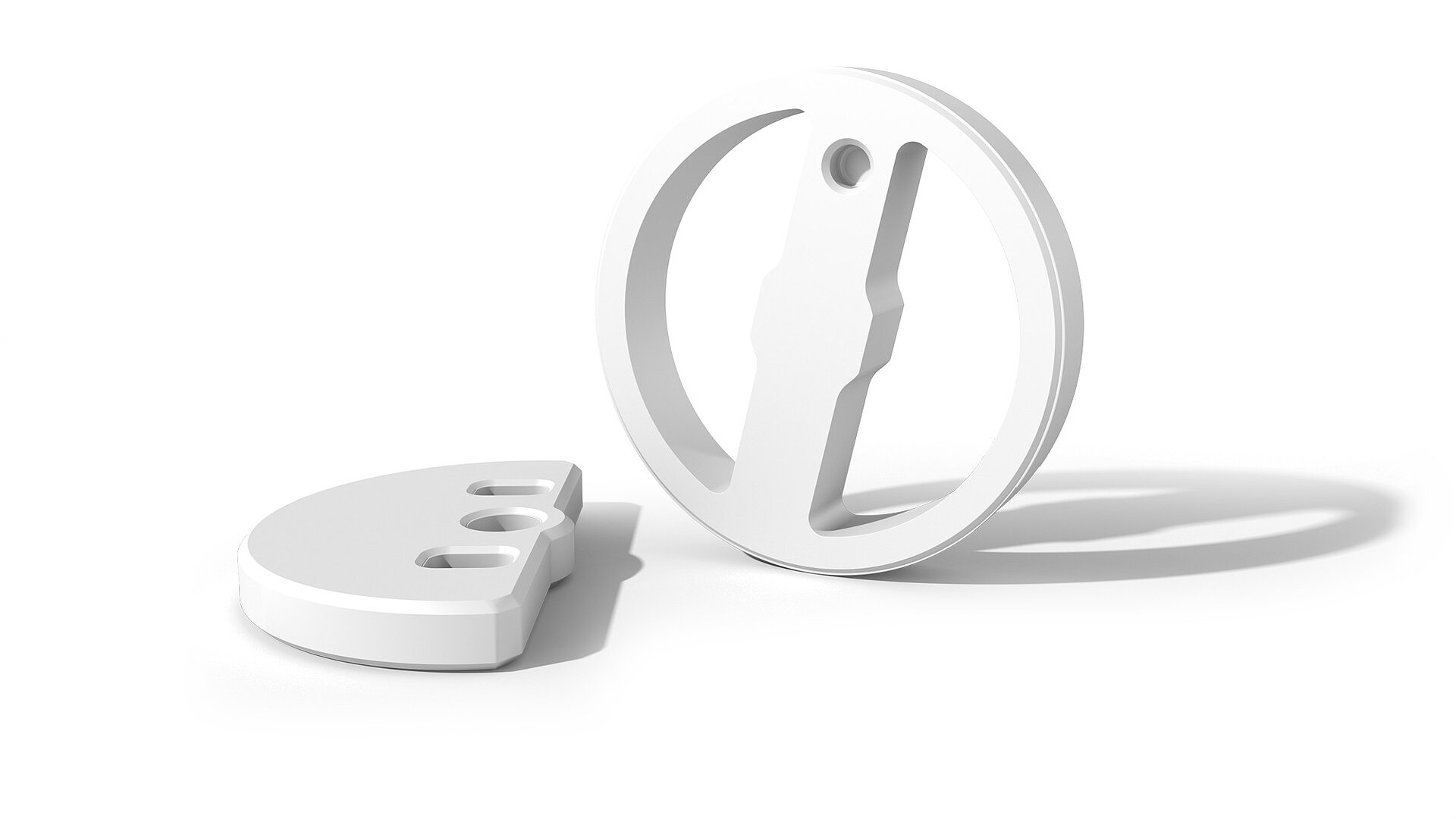
Disc Valves
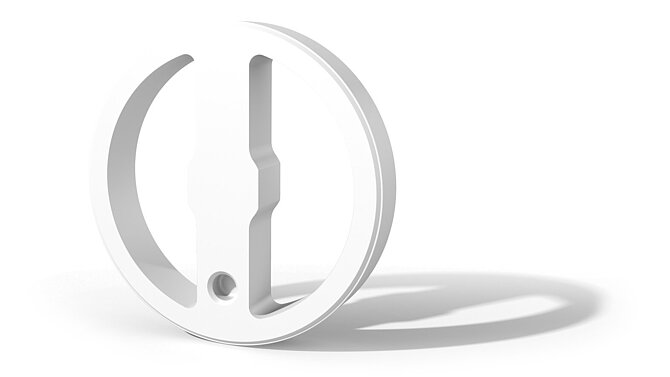
Ceramic disc valves consist of two discs that slide against each other, precisely regulating the flow of media. The extremely hard, low-wear surface of the ceramic ensures that tightness and control behaviour remain stable throughout the entire service life.
They are used in pumps, control valves and thermal management systems – wherever reliability under changing loads is crucial.
Ceramic Disc Valves in Thermal Management for Automotive Applications
The precise regulation, maintenance and control of temperatures is becoming an increasing challenge in the automotive sector. In addition, thermal management is becoming even more important in electric mobility, as the performance and service life of batteries depend significantly on stable thermal conditions.
Whether in multi-way valves, single valves or control systems, ceramic discs meet the requirements of modern drive systems and help to improve the efficiency, safety and service life of vehicle components in the long term.
Technical Advantages – Disc Valves
Ceramic disc valves offer a combination of properties that cannot be achieved with metallic or polymer materials:
- Wear-resistant - prevents abrasion even with continuous contact under pressure and movement
- Durable - consistent performance over very long operating times
- Dimensionally stable - even with temperature changes, pressure peaks and mechanical stress
- Corrosion-resistant - to coolants, additives and media in thermal circuits
- Excellent sliding properties - crucial for low operating forces and minimal wear
- Double disc technology - enables precise control of even the smallest volume flows
- Excellent surface quality - individually manufactured functional surfaces ensure high tightness and consistent control characteristics
- High rigidity - maximum stability under pressure and bending stress
Exhaust Flap Bearing
In the exhaust systems of modern combustion engines, exhaust flaps control the exhaust gas flow and thus influence efficiency, noise behaviour and emission values. The bearings of these flaps operate in an environment that is constantly characterised by high temperatures, aggressive exhaust gas components and rapid load changes.
Ceramic bearing components made of zirconium oxide (ZrO₂), aluminium oxide (Al₂O₃) and silicon nitride (Si₃N₄) offer clear advantages in this area. They remain dimensionally stable, are pressure-resistant, wear-resistant and have low thermal expansion – properties that are crucial for reliable and stable flap operation. This combination of materials ensures that exhaust flaps work precisely and remain functional in the long term, even under extreme conditions.
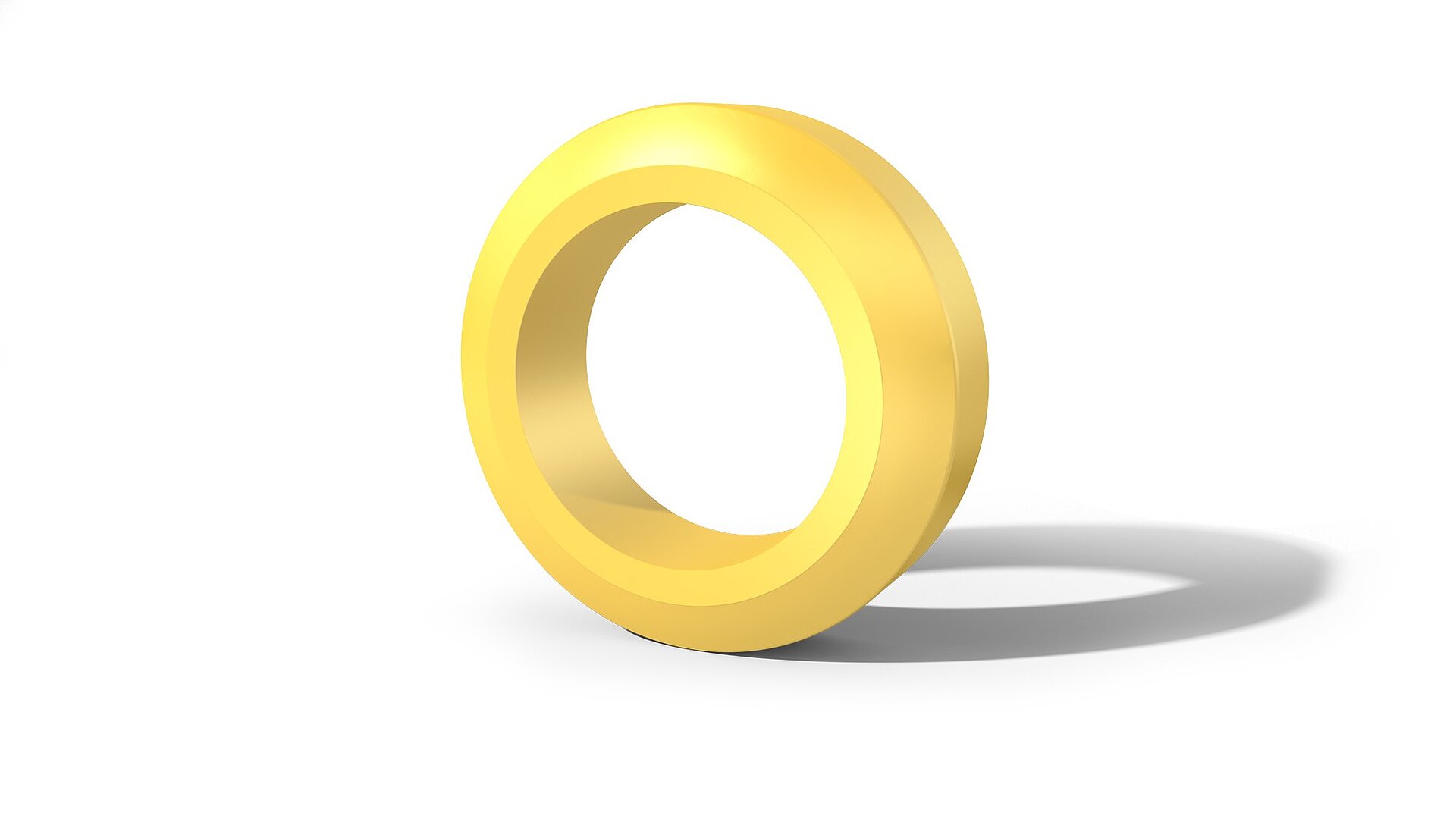
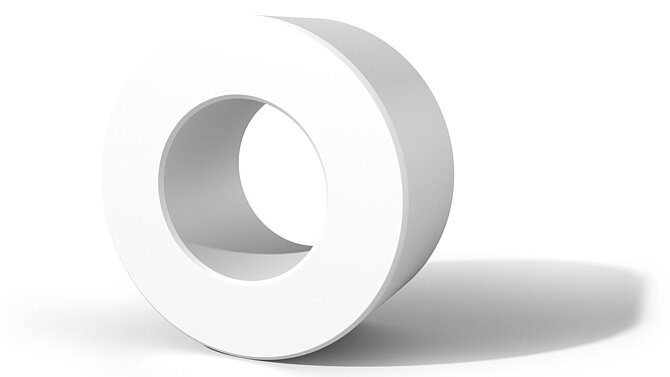
Exhaust Gas Flap Bearing Ring – Zirconium Oxide (ZrO₂)
Zirconium oxide is suitable for applications involving temperature fluctuations, vibrations and high point loads.
Properties:
- High temperature resistance
- Tough and resistant to abrasion
- Dimensionally stable even under dynamic loads
- Precise fits possible, ideal for tight bearing tolerances
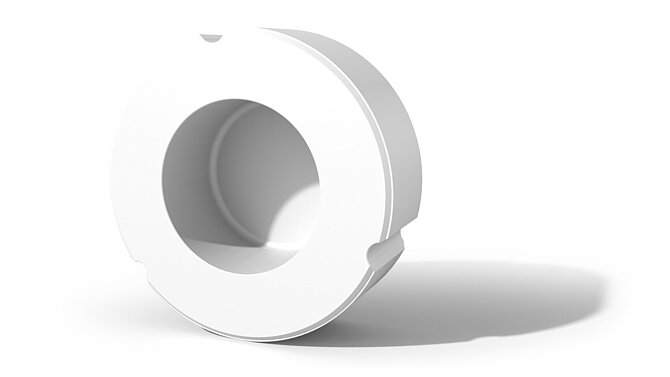
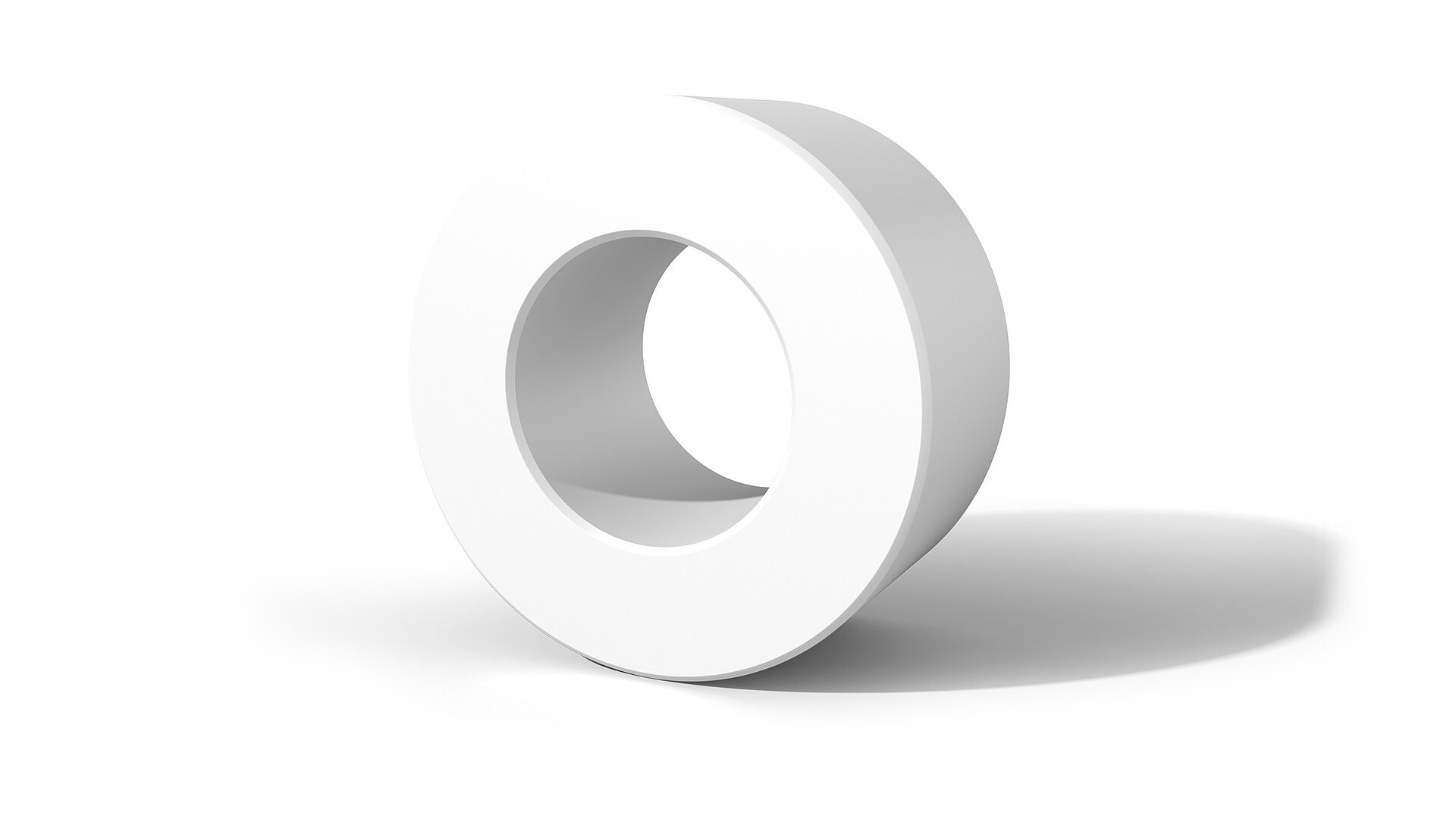
Exhaust Gas Flap Bearing Ring – Aluminium Oxide (Al₂O₃)
Aluminium oxide is the right choice when a cost-effective solution is required that still delivers stable performance under demanding conditions.
Properties:
- High temperature and thermal shock resistance
- High hardness and wear resistance
- Corrosion resistant to exhaust gas components
- Electrically insulating
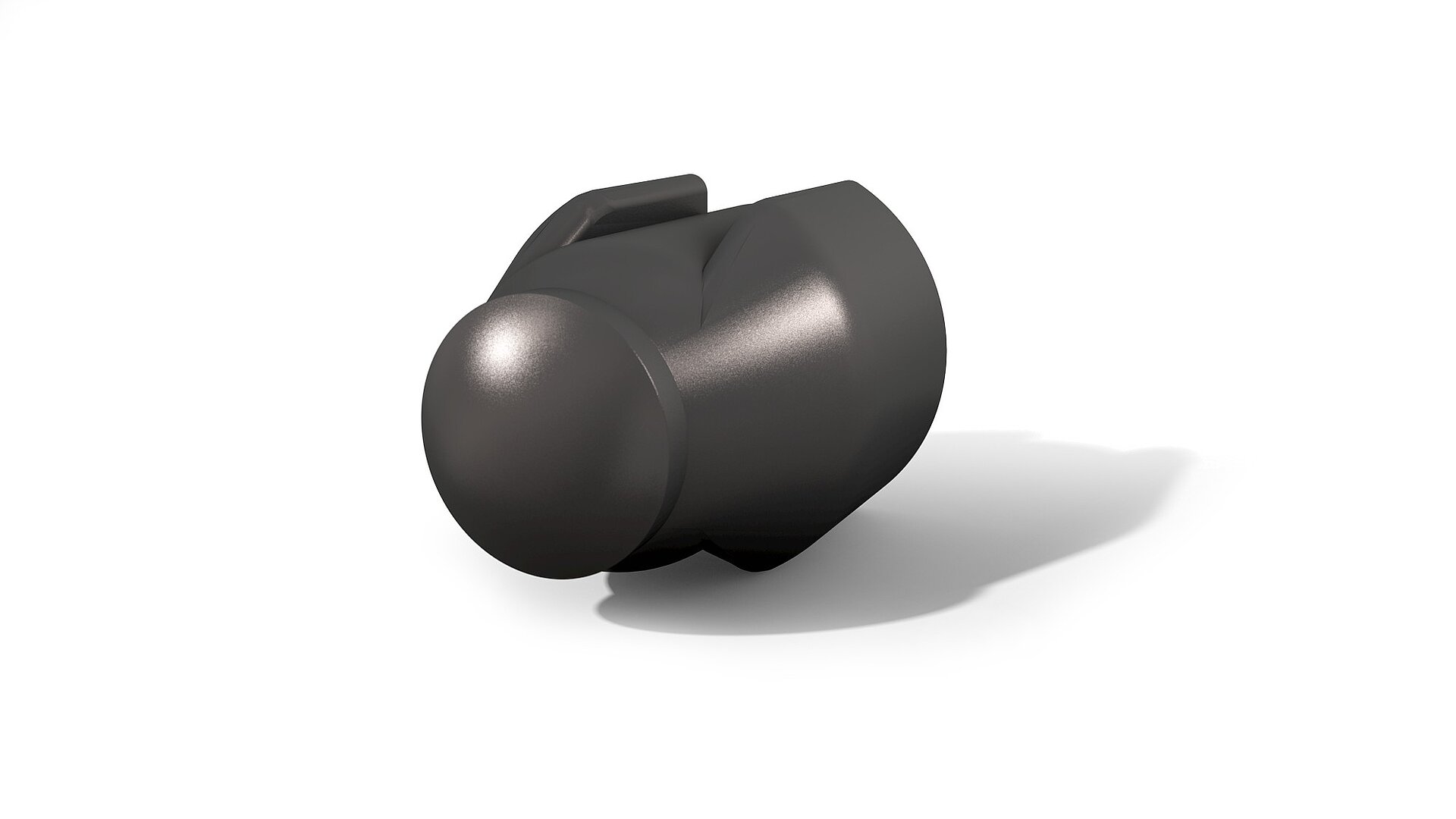
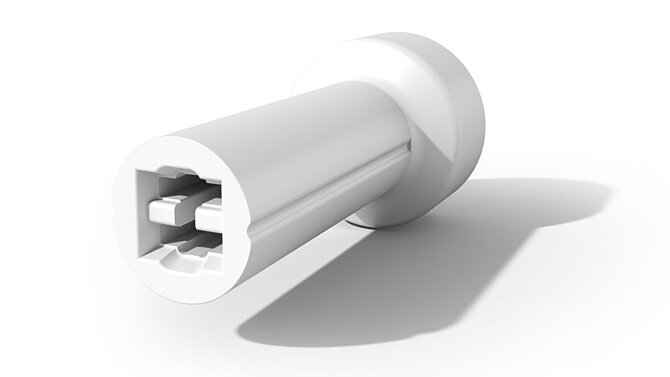
Exhaust Gas Flap Bearing Pin – Silicon Nitride (Si₃N₄)
Silicon nitride is designed for extreme environments and is recommended for highly stressed components such as bearing pins.
Properties:
- Very low thermal expansion and good thermal shock resistance
- Compressive strength and mechanical stability even under heavy load cycles
- Low wear, ideal for long service life
Why use High-Performance Ceramics in Exhaust Gas Management?
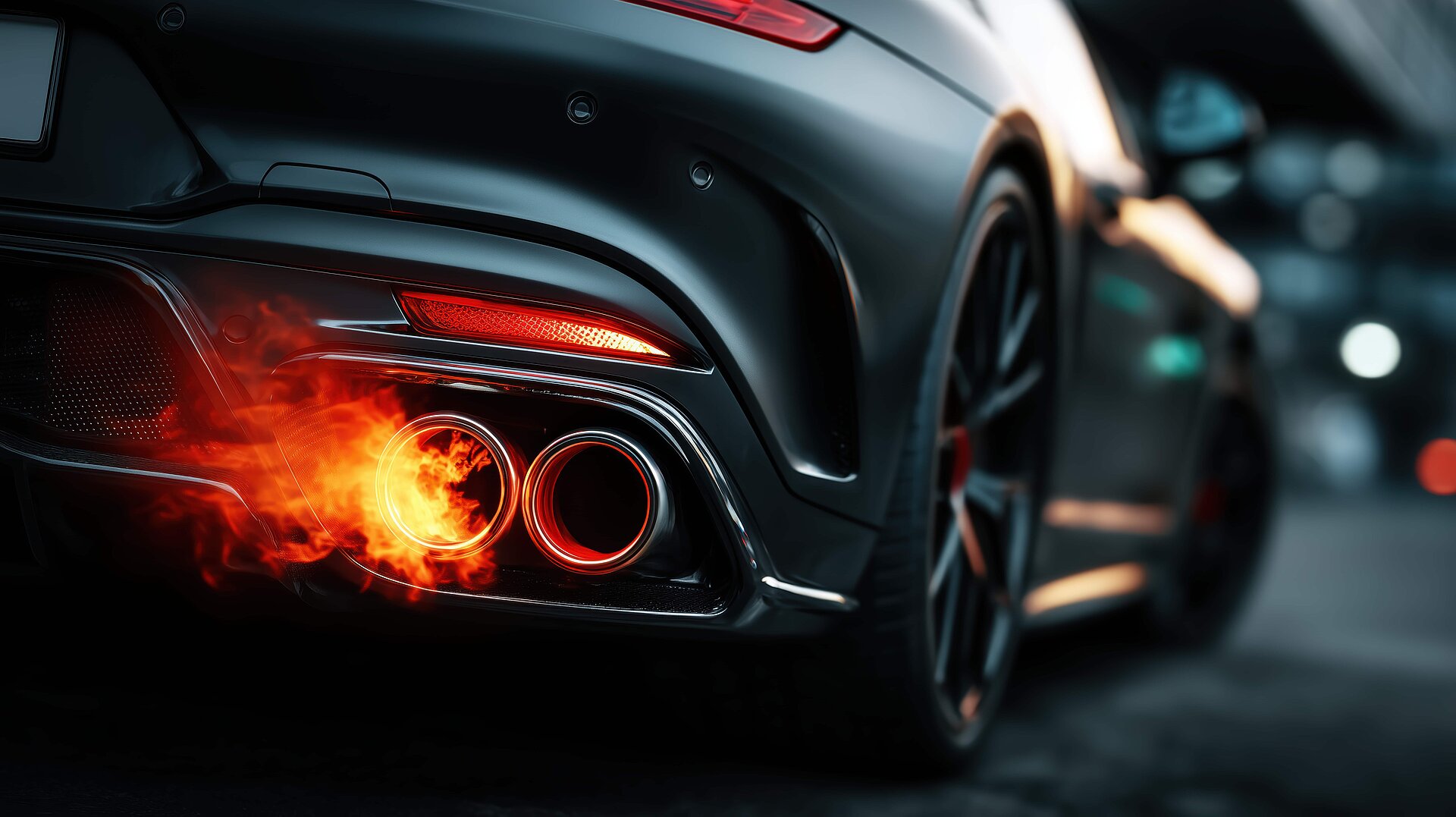
Ceramic has established itself in the exhaust system for good reason. The combination of temperature resistance, thermal shock stability, wear resistance and corrosion resistance enables reliable and precise flap control – even when metallic components reach their limits.
Ceramic bearings and inserts ensure stable, precise guidance of the exhaust flap. Ceramic PVC components thus contribute to the robust longevity of exhaust systems.
Technical Advantages – Exhaust Gas Flap Bearings
- Temperature-resistant, insulating, low thermal expansion: Resistant to high exhaust gas temperatures, thermally insulates adjacent components and minimal expansion during temperature changes.
- Pressure-resistant: Reliably withstands mechanical stresses in the flap and adjustment range.
- Dimensional stability: Maintains dimensional accuracy even under continuous high thermal loads and dynamic stresses.
- Precision: Enables tight tolerances and clean, precise flap guidance.
- Low wear: Reduces friction and abrasion, even with continuous movement in the exhaust gas flow.
- Long service life: Contributes to the long-lasting, reliable function of the entire exhaust flap mechanism.
Sensor Feedthroughs
Modern combustion systems require precise measurement data in order to reduce emissions and comply with legal requirements.
This requires sensors that can measure under extreme conditions – directly in the hot exhaust gas stream, in the tightest installation spaces and throughout the entire service life of a vehicle.
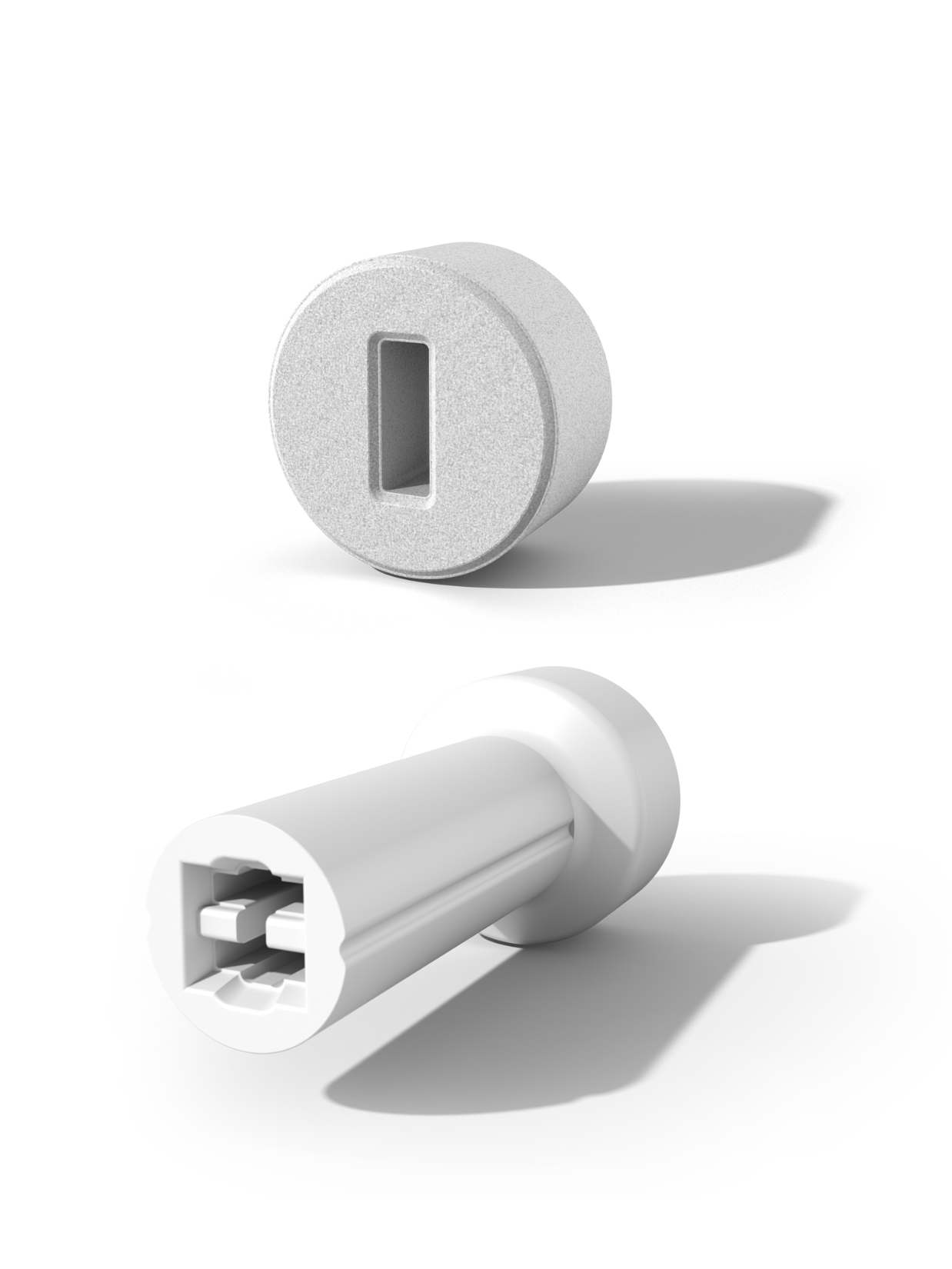
This is where sensor feedthroughs made of technical ceramics come into play. Ceramic sensor feedthroughs are essential components of modern exhaust and engine control systems. They protect sensitive sensor electronics, ensure reliable electrical insulation and transmit signals stably – even under extreme thermal and mechanical conditions.
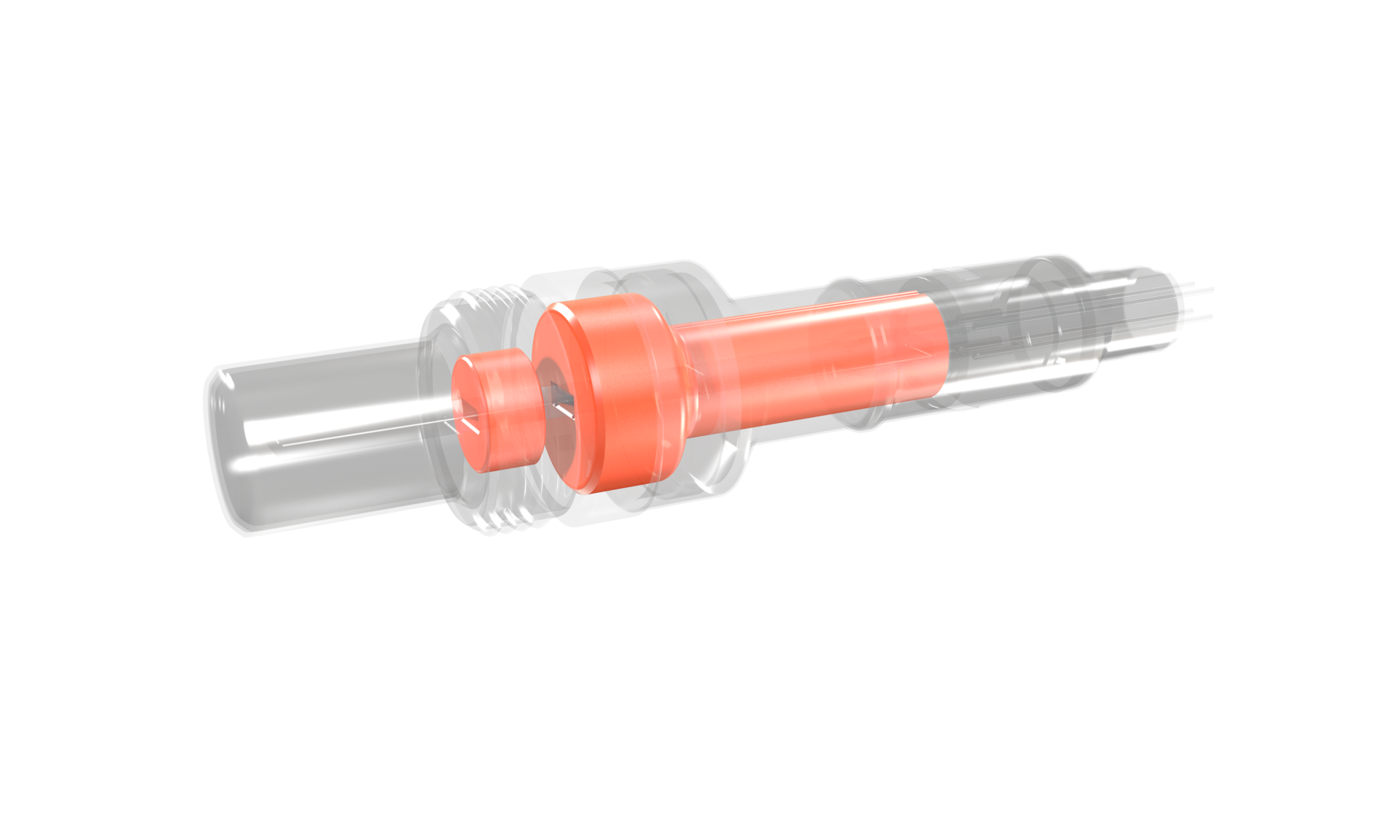
The multifunctional measuring capability of these sensors enables precise control of the combustion process. This makes them indispensable for compliance with legal requirements and optimisation of engine performance.
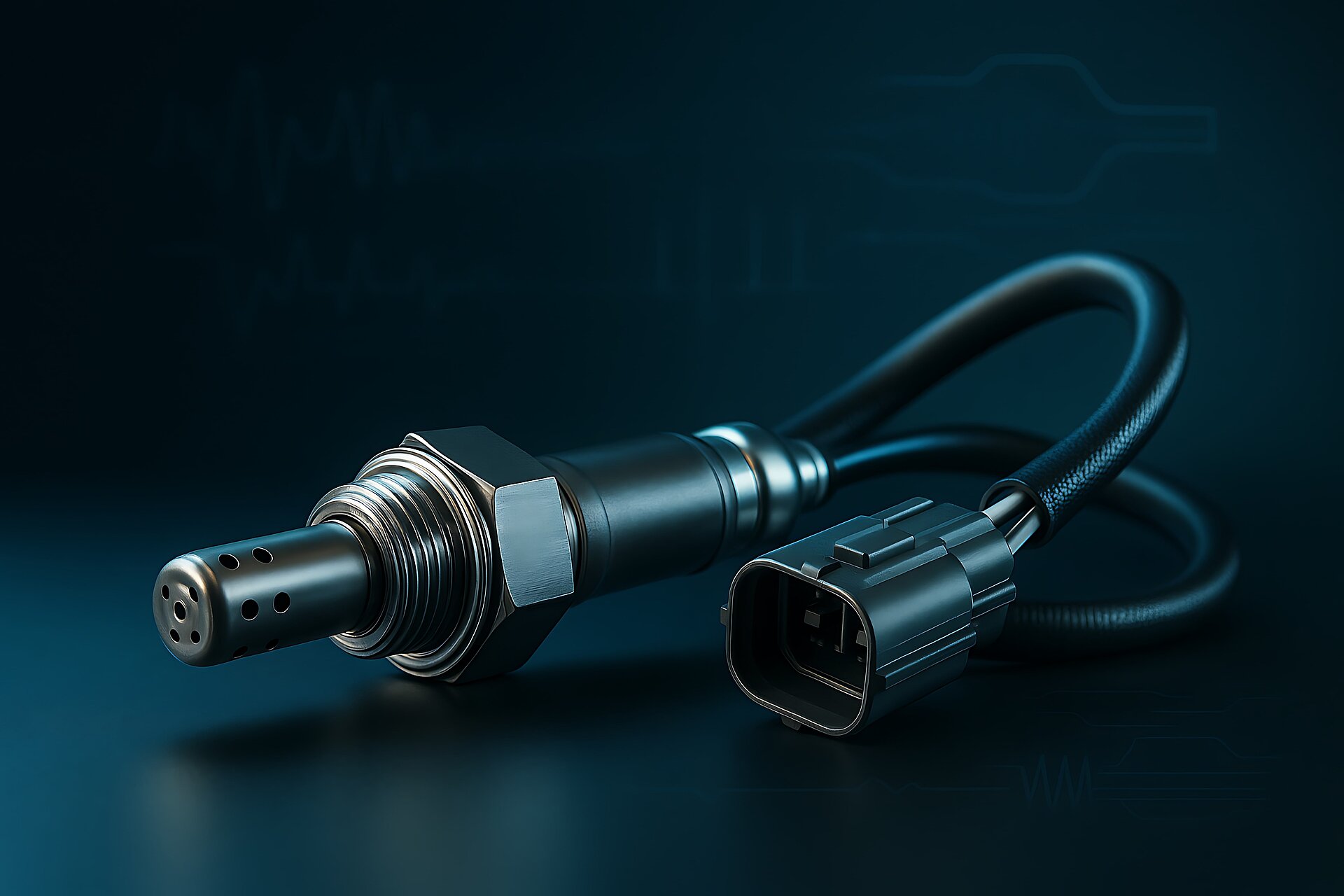
No modern combustion engine can do without sensor technology with ceramic elements – above all the lambda sensor as a key component for exhaust gas control.
Technical Advantages - Sensor Feedthroughs
- Electrical insulation: Ensures reliable signal transmission without interference and protects sensitive electronics.
- High temperature resistance: Remains stable even at high exhaust gas temperatures directly in the hot exhaust gas flow.
- Dimensional stability: Maintains precise dimensions even under temperature fluctuations or mechanical stress.
- Compact design: Enables space-saving integration even in confined installation spaces.
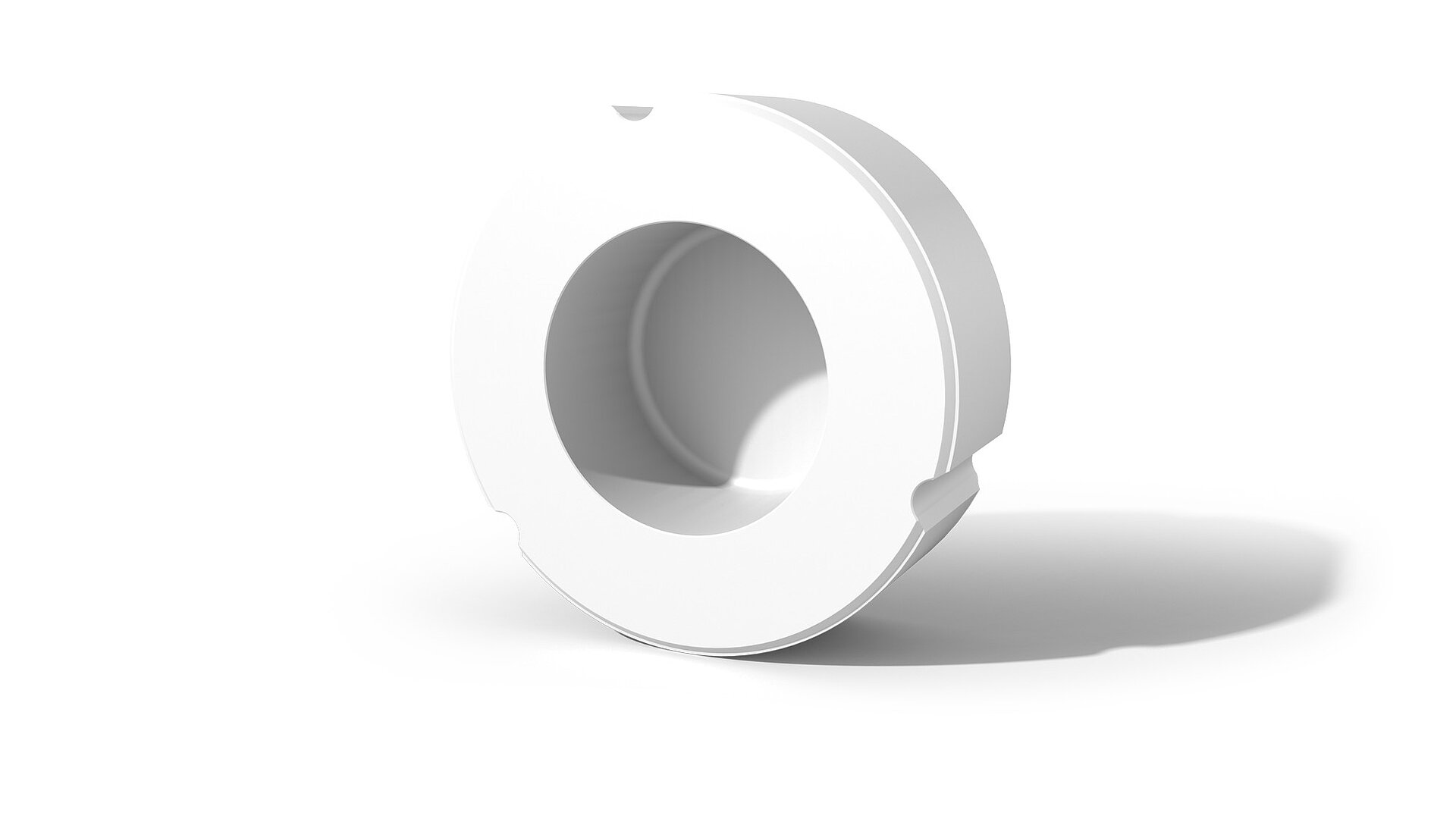
Membranes for Pressure Sensors
Ceramic pressure diaphragms are high-precision, mechanically robust functional elements used as key components in pressure sensors for automotive applications, reliably converting applied pressure into a measurable signal - even under extreme environmental conditions.
In automotive applications, ceramic pressure diaphragms perform safety- and control-relevant functions and are used particularly where aggressive media, severe temperature fluctuations, and long service life are required. As passive, static components, they must operate with long-term dimensional stability, tightness, and reproducibility.

Material & Design Options
Depending on the sensor principle and application area, different ceramic materials are used. For example, aluminum oxide (Al₂O₃) has proven effective for robust, cost-stable high-volume automotive applications.
Design options:
Planar or structured diaphragm geometries
Customer-specific thicknesses and diameters
Further information on ceramic diaphragms for pressure sensors
Technical Advantages - Membranes
- High long-term stability: No plastic deformation, no creep — consistent sensor characteristics over the entire vehicle service life.
- Temperature resistance: Reliable performance even at high operating temperatures, e.g., in exhaust or engine environments.
- Media resistance: Resistant to aggressive media such as exhaust gases, condensates, fuels, oils, and coolants.