Zirconium Oxide (ZrO₂)
Key Facts at a Glance
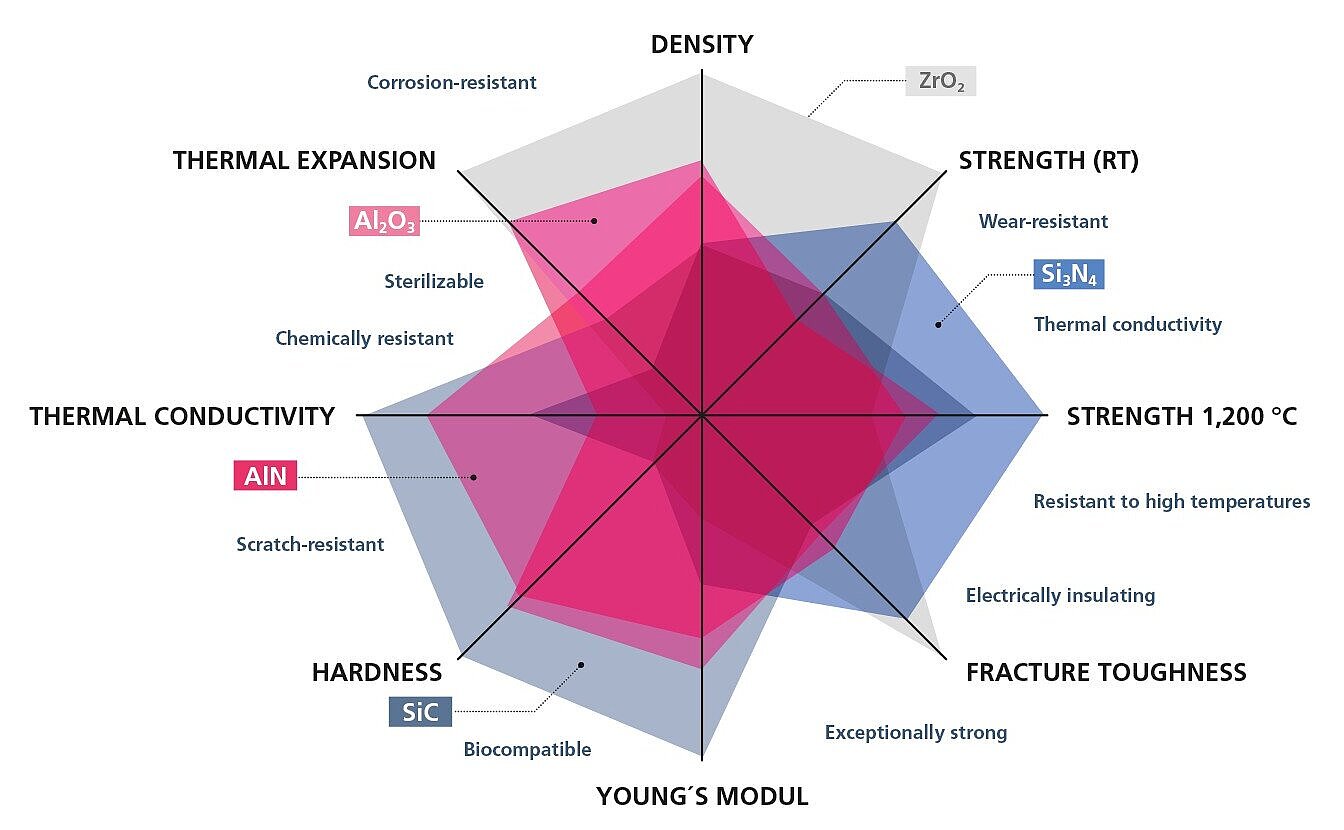
- Zirconia (ZrO₂) is a high-performance ceramic with exceptionally high fracture toughness.
- The material combines low thermal conductivity with high strength – ideal for thermal separation points and insulation applications.
- CeramTec has been developing and manufacturing ZrO₂ components for decades – from lambda sensor components to precision tools for the textile industry.
- Zirconia ceramic is particularly suited for engineers and designers looking to replace metallic components with wear- and corrosion-resistant ceramic parts.
Application Examples
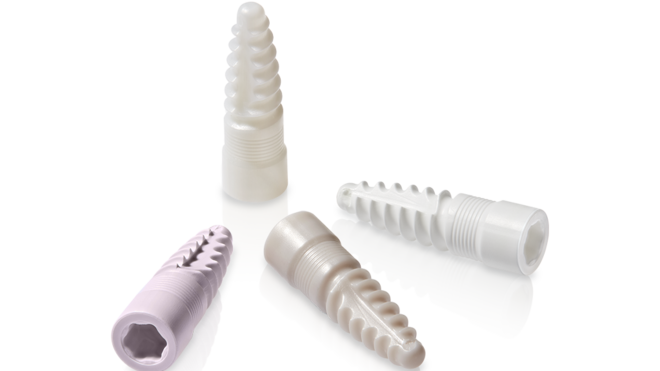
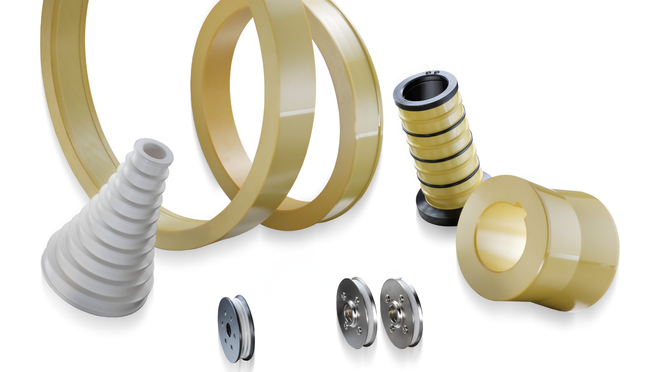
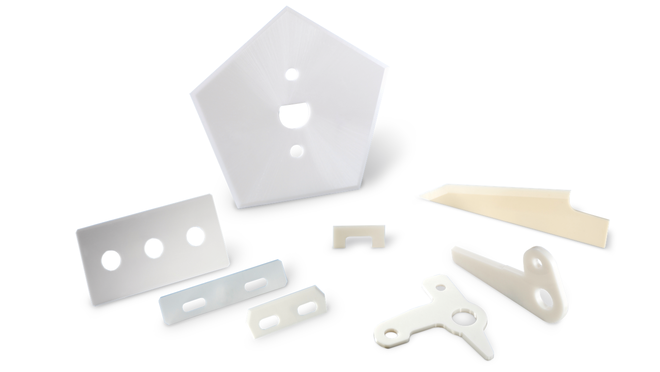
Due to their biocompatibility, zirconium oxide ceramics are used, for example, as a material for crowns and bridges in the dental industry, as tools for wire forming, as an aid in welding processes, as technical cutters in the textile industry, as an insulating ring in thermal processes and as an oxygen measuring cell in lambda sensors. Other fields of application include electronics, applications for pumps, valves & seals, aviation and energy generation, where zirconium oxide is used as an insulator and in high-performance components.
In the future, the material could play a key role in environmental and energy technology, e.g. in fuel cells, which rely on durable and stable materials.
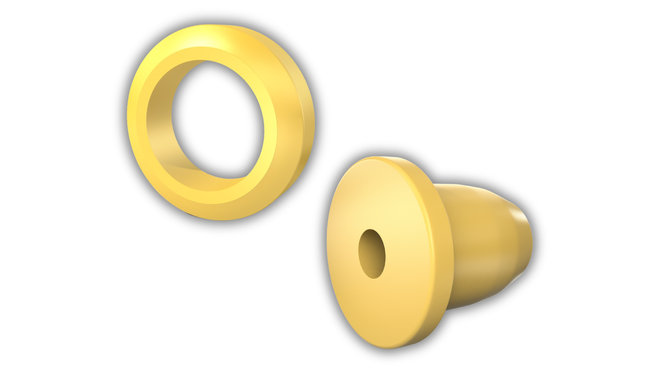
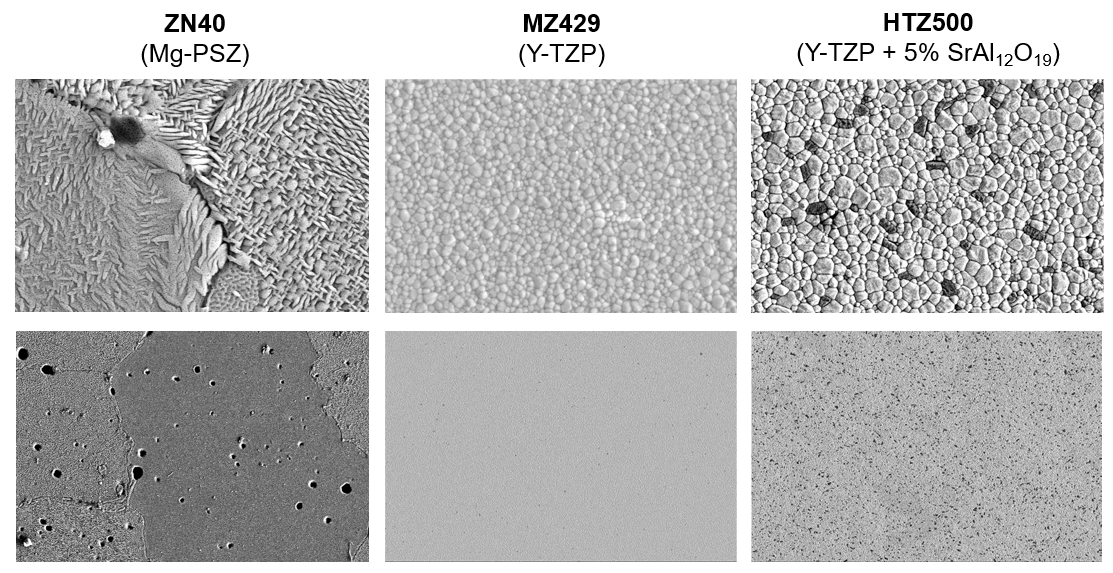
Our ZrO₂ Portfolio - Material Properties
| Property | ZN40 | MZ429 | HTZ500 |
| Sintering | DB1 | DB1 / HIP | DB1 / HIP |
| Density | 5,79 g/cm3 | 6,06 / 6,07 g/cm3 | 5,95 / 5,96 g/cm3 |
| Zirconia grain size | 35 µm | 0,4 / 0,3 µm | - / 0,5 µm |
| Young modulus (GPa) | 210 | 220 | 220 |
| Hardness HV1 (GPa) | 11 | 13 | 13 |
| Toughness K1c (IFR) | n.a. | 5 MPa·√m | 12 MPa·√m |
| Bending strength (4PB) | 500 MPa | 1000 / 1500 MPa | 1000 / 1720 MPa |
| Weibull | 20 | 20 / 10 | 20 / 10 |
| Thermal expansion coefficient | 10,2 * 10-6·K-1 | 10,5 * 10-6·K-1 | 10,6 * 10-6·K-1 |
| Thermal conductivity (W/m·K) | 3,0 | 3,0 | 3,6 |
1 DB=Direktbrand (single-stage sintering)
Where HTZ500 outperforms common ZrO₂ Materials
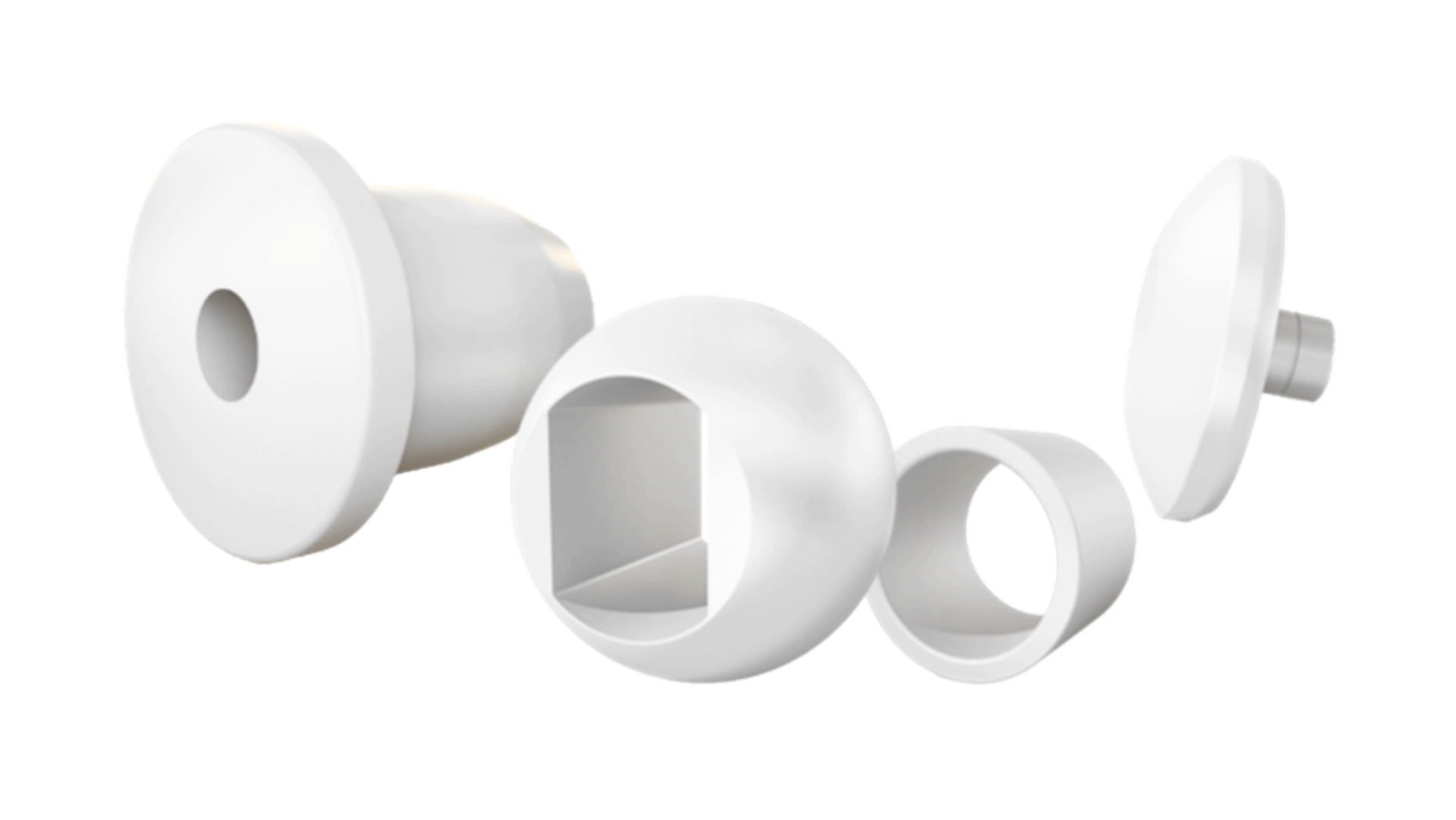
- Very high strength and reliability
- Damage tolerance and fracture toughness (3x higher than standard zirconia, 4x higher than ATZ, 5x higher than standard alumina)
- Increased cutting edge stability
- Grinding resistance, less damage
- Aging resistance (stability under hydrothermal conditions)
- Meets the requirements of ISO 13356
- Strength is more than twice the value required by the standard