Production and Processing of Ceramic Substrates
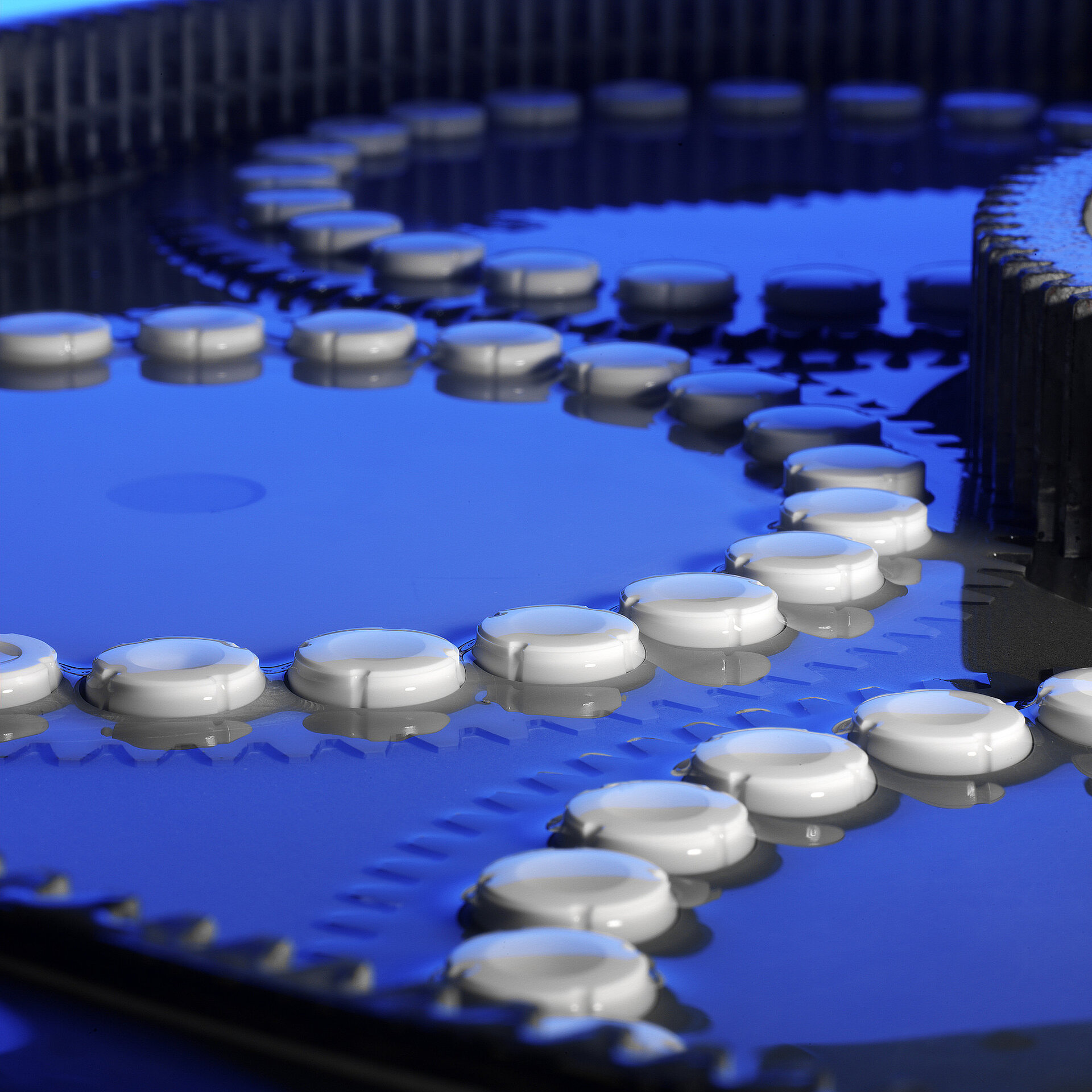
CeramTec production systems for manufacturing and processing ceramic substrates provide laser cutting, dry pressing and various methods of hard machining.
The substrate experts at CeramTec can recommend the most appropriate and economical production method based on the application area, material geometry and quantity.
Lasered Substrates with the Tightest Tolerances
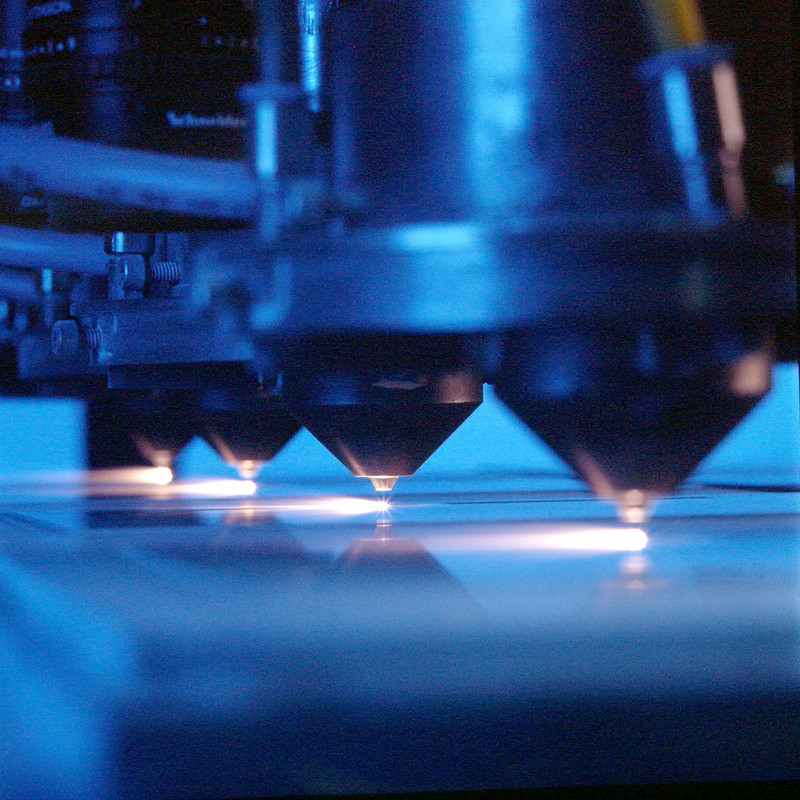
CeramTec has over 35 years of experience in lasering substrates and operates one of the largest laser facilities in the world. This allows the company to produce a wide range of external contour geometries, drill hole combinations, through holes and break lines without the need for time-consuming and costly tooling. Customers can also remotely transfer CAD data to us directly. For work with Al2O3 substrates computer-controlled CO2 lasers are used for scribing, cutting and drilling (smallest diameter: 0.15 mm) at very tight tolerances; for work with AlN substrates, CeramTec has access to fiber lasers.
Dry-pressed Substrates in Large-scale Series Production
CeramTec manufactures dry-pressed substrates in large-scale series according to customer specifications in highly automated production lines with tools developed especially for this purpose. This method allows us to make substrates with irregular external contours, drill holes and break lines in nearly any thickness; we can even produce different thicknesses within a single substrate. The dry-pressing method makes it possible to manufacture substrates with highly complex geometries, through holes and blind holes from 0.2 mm in diameter.
Why Dry Pressing?
- Through holes, cavities, 3D
- Adjustable thickness
- Same shape – different thickness – all with a single tool
- Any thickness
- Large-scale series production
- No additional edge machining required
Hard Machining Substrates
Depending on customer requirements, various hard machining processes and qualities are employed - whether to achieve extremely tight tolerances and improve edge quality, or to enable different thick-film metallization types such as Direct Bonded Copper, Active Metal Brazing, and Surface Metal Bonding on substrates through tailored surface treatment: