Piezoceramics for Sensors and Transducers
Piezoceramic components are the functional heart of many sensors and transducers. They convert mechanical energy into electrical signals – or electrical excitation into mechanical vibrations and ultrasound. CeramTec develops and manufactures piezoceramics for a wide range of sensor and transducer concepts.
Our portfolio ranges from customised components to selected sensor and transducer solutions for Medical, Industry and Automotive.
In many applications, we do not supply the complete sensor or finished system. Instead, we provide the precisely specified piezoceramic component that is integrated into the customer’s system. This allows us to support customers exactly where piezoceramic materials, geometries and electrical properties make the decisive difference.
Are you looking for a piezo component for a specific application? Discuss your requirements with our experts.

Solutions for Medical Devices
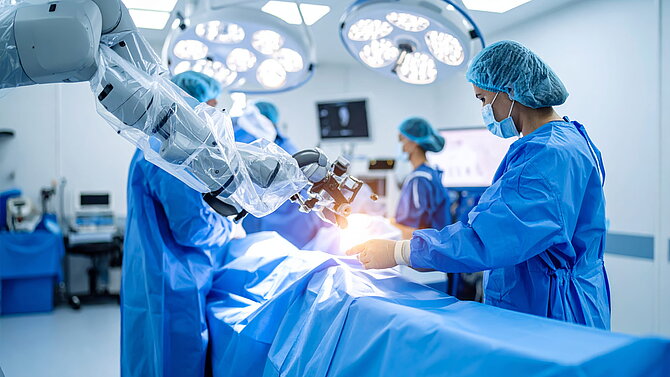
Piezoceramic components enable the generation and detection of ultrasound in medical devices and probes. They are used, for example, in diagnostic and therapeutic ultrasound systems and in other medical technology applications.
CeramTec Medical offers solutions for medical sensors and transducers. CeramTec Industrial also contributes piezoceramic materials and manufacturing expertise when an application requires a high-performance, reproducible component.

Solutions for the Industry
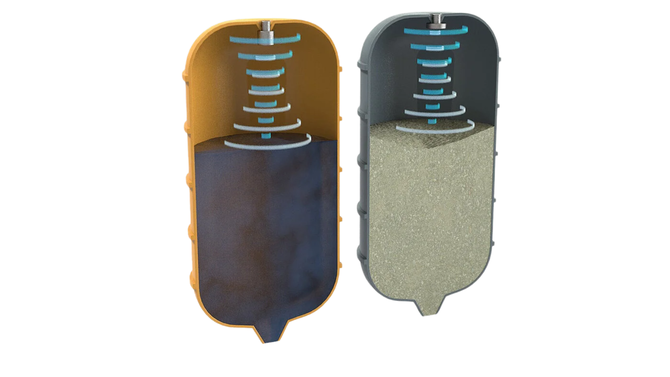
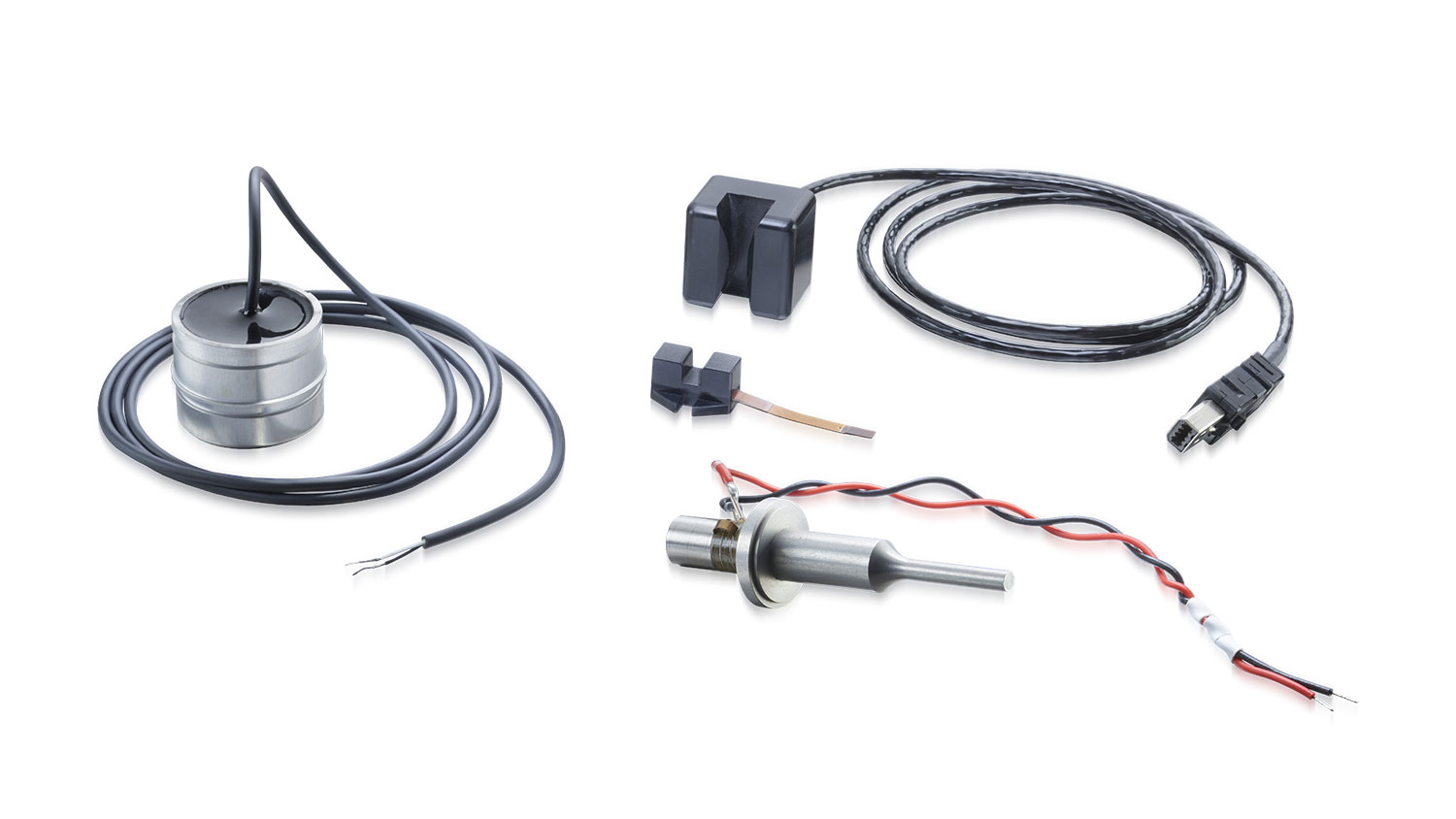
In industrial applications, piezoceramic sensors and transducers are used to reliably detect flow, levels, distances, leaks and other process variables. Ultrasound can offer advantages when measurements need to be non-contact or independent of colour, transparency and surface characteristics.
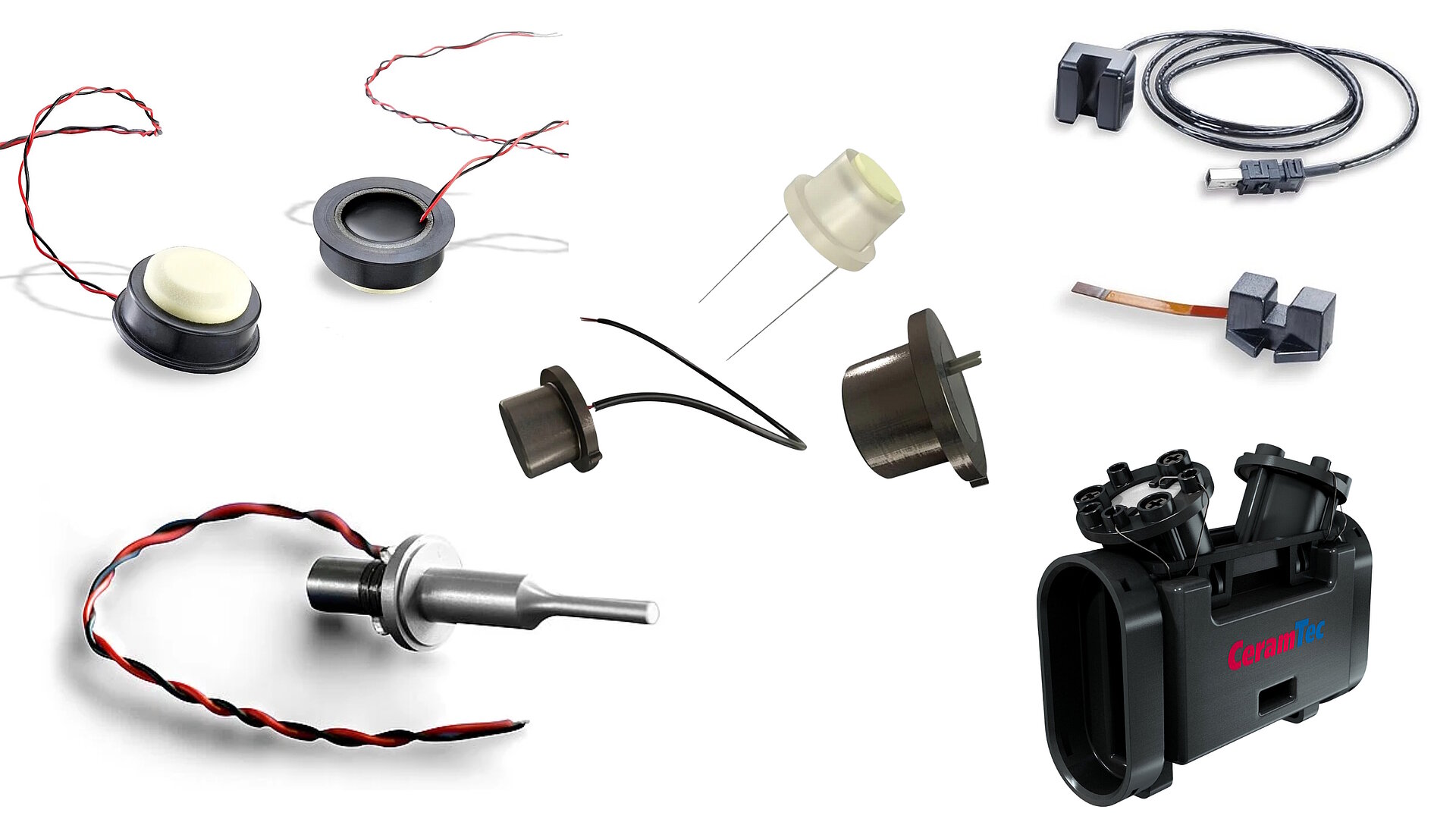
CeramTec supplies piezoceramic components and – depending on the requirements – selected sensor and transducer solutions:
Solutions for Automotive
Automotive sensors must operate reliably under demanding conditions. High volumes, defined tolerances, changing temperatures, vibration and long-term performance place high demands on the components used.
CeramTec develops and manufactures piezoceramic components that can be integrated into customer sensors and systems. Depending on the application, relevant components may be used for engine, exhaust, injection, acoustic or other monitoring and measurement applications.

Our Portfolio at a Glance
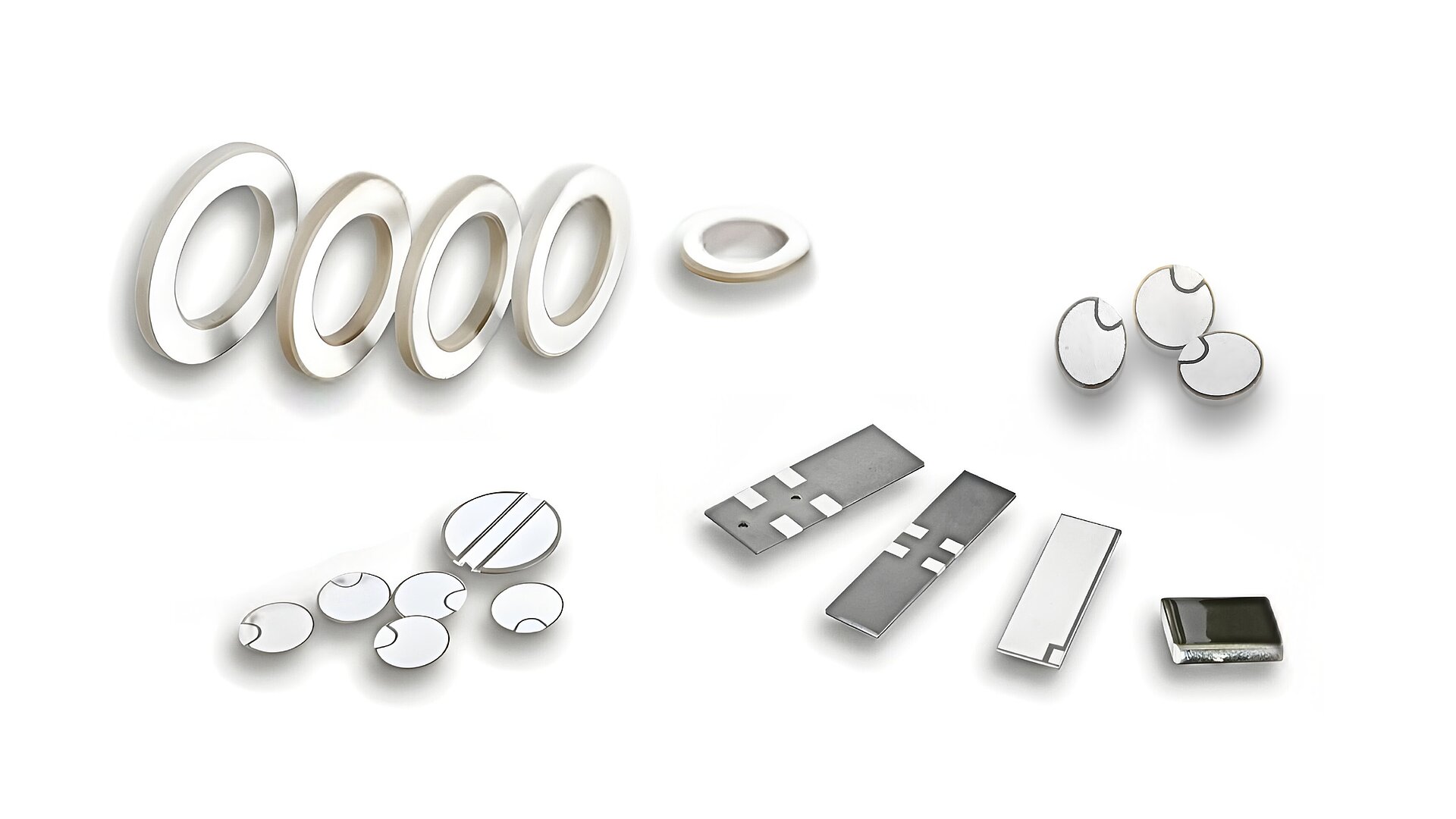
Every sensor and transducer application has different requirements regarding frequency, sensitivity, geometry, temperature resistance, medium and installation conditions. CeramTec supports the selection and design of the appropriate piezoceramic solution – from the initial technical specification through to reproducible series production.
Depending on the application, the following characteristics can be adapted:
- Piezoceramic material and material system
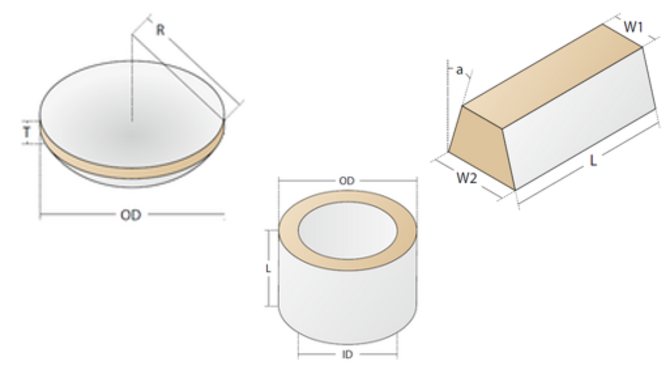
- Geometry and dimensions
- Electrode design and electrical contacting
- Polarisation direction
- Mechanical and electrical parameters
- Resonance and operating frequency
- Temperature and environmental requirements
- Integration into an assembly, probe or sensor housing
Your benefit: you receive a piezo solution matched to the function and boundary conditions of your system rather than a standard component that only approximately fits.
Sensor or Transducer: Which Piezo Component is required?
The terms sensor and transducer are not always used consistently in practice. Their functions can nevertheless be distinguished in principle:
- Sensor: a piezoceramic component receives a mechanical effect – such as pressure, force, vibration or acceleration – and generates an electrical signal.
- Transducer: a piezoceramic component converts an electrical signal into mechanical movement or vibration, or generates ultrasound. Conversely, it can convert received sound waves back into an electrical signal.
- Ultrasonic sensor: a sensor or transducer concept that uses ultrasound for detection, measurement or testing.
The appropriate geometry, material and electrical or mechanical parameters depend on the application. CeramTec therefore considers not only the individual component but also its function in the customer’s sensor or transducer design.